Hydro jetting is a drain and sewer cleaning method that uses highly pressurized water to strip grease, scale, and root intrusion from the full interior of a pipe rather than just punching a path through a clog. A camera inspection comes first to confirm the line can safely handle the pressure.
If you have been dealing with slow drains or recurring clogs that keep coming back no matter what you try, there is a good chance you have heard the term come up. For most homeowners in Indian Trail, it is not entirely clear what the process actually involves or whether it is the right solution for their situation.
Here is a plain language breakdown of what hydro jetting is, how it works, and when it makes the most sense to use it.
The Basic Idea Behind Hydro Jetting
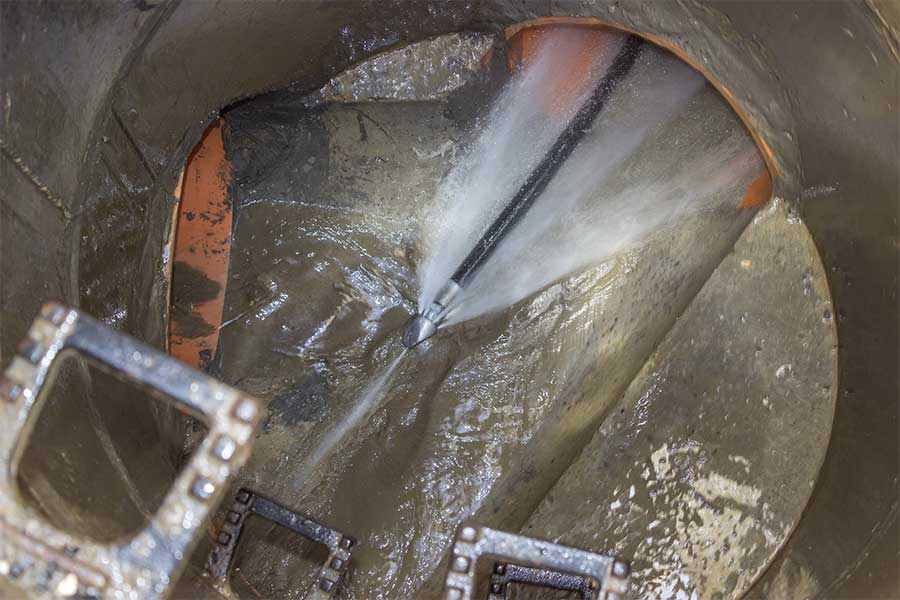
Hydro jetting is a drain and sewer line cleaning method that uses highly pressurized water to clear blockages and flush buildup from the interior walls of your pipes. A specialized hose with a multi directional nozzle is fed into the drain line, and water is blasted through at pressures high enough to break apart grease, scale, mineral deposits, and even tree root intrusion.
The key difference between hydro jetting and other drain cleaning methods is thoroughness. Rather than just punching a hole through a clog, hydro jetting services clean the entire circumference of the pipe, restoring it much closer to its original flow capacity.
How Does Hydro Jetting Work Step by Step?
Before any jetting begins, a professional will run a camera through the line to assess what is inside and confirm the pipe is in a condition that can handle high pressure water. This step matters because jetting a pipe that is already cracked or severely deteriorated can cause further damage rather than fix the problem.
Once the line is cleared for jetting, the hose is inserted through a cleanout access point. The nozzle at the end sprays water simultaneously forward to break up blockages and backward to flush the loosened debris down and out of the line. The plumber works through the length of the pipe systematically until the line is clear.
The whole process typically takes one to two hours, depending on the length of the line and the severity of the buildup.
What Is Hydro Jetting Particularly Effective At?
Grease is one of the most common and stubborn problems in residential drain lines, especially in kitchen pipes. Grease does not flush cleanly through a pipe. It coats the interior walls, hardens over time, and traps other debris passing through, gradually narrowing the line until water can barely move. High pressure jetting cuts through that buildup in a way that snaking simply cannot.
It is also highly effective for clearing mineral scale from hard water, flushing out sediment in older lines, and addressing tree root intrusion in sewer pipes. Many established neighborhoods around Crooked Creek Park and the Old Monroe Road corridor were built with mature trees already in place, and those root systems are exactly what tends to work into aging sewer laterals over time. For homes in Indian Trail with that kind of mature landscaping near the sewer line, root intrusion is a recurring issue that benefits from this kind of thorough cleaning.
Is Hydro Jetting Better Than Snaking?
Both methods have their place. Routine drain cleaning with a snake works well for most standard household clogs and is often the right first step for a straightforward blockage. Hydro jetting is better suited for situations where buildup is heavy, clogs keep returning despite repeated clearing, or the line has not been professionally cleaned in several years.
Think of snaking as clearing a path and hydro jetting as cleaning the road.
Is Hydro Jetting Safe for All Pipes?
This is an important question. Hydro jetting is safe for most pipes in good condition, but it is not appropriate for every situation. Older pipes that are already cracked, corroded, or structurally weakened may not be able to handle the pressure. That is exactly why the camera inspection before jetting is not optional. It is what allows the plumber to make an informed decision about whether jetting is appropriate or whether a sewer line repair needs to happen first.
Homes throughout the Sun Valley area and other established parts of Indian Trail often have original clay or cast iron laterals still in place, which makes that upfront camera work especially important before any high pressure water goes through the line.
When Should Indian Trail Homeowners Consider Hydro Jetting?
Hydro jetting is worth considering if your drains are slow throughout the house and snaking has not produced lasting results, if you are moving into an older home and want to start fresh with clean lines, if you have a history of grease or root problems in your sewer line, or if it has been more than a few years since your drain system was professionally serviced.
A sewer line inspection is the right starting point in any of these situations. It gives you a clear picture of what is actually happening inside the line before deciding whether jetting, spot repair, or a full sewer line replacement makes the most sense.
Frequently Asked Questions
How much does hydro jetting cost?
Cost depends on the length of the line, how severe the buildup is, and whether a camera inspection is needed beforehand. A plumber can only give an accurate number after seeing the condition of your specific line, which is why the inspection step comes first.
Is hydro jetting safe for old pipes?
It depends on the pipe’s condition rather than its age alone. A camera inspection confirms whether the pipe can handle the pressure, and if it is already cracked or deteriorated, repair typically needs to happen before any jetting is attempted.
How often should sewer lines be hydro jetted?
Most homes do not need routine jetting on a fixed schedule, but homes with a history of grease buildup or root intrusion often benefit from cleaning every few years. A plumber can recommend a schedule based on what the camera inspection shows.
Does hydro jetting damage pipes?
Hydro jetting is safe for pipes in sound condition, but it can worsen damage in pipes that are already cracked or corroded. This is exactly why a camera inspection always comes before jetting begins.
Can hydro jetting remove tree roots from a sewer line?
Yes, high pressure water is effective at cutting through root intrusion and flushing the debris out of the line. Homes with mature trees near the sewer lateral, common throughout many established Indian Trail neighborhoods, tend to see this issue recur without periodic cleaning.
How is hydro jetting different from a regular drain snake?
A snake breaks through the middle of a clog to restore flow, while hydro jetting cleans the entire interior surface of the pipe. Snaking works well for a single stubborn clog, while jetting is better for buildup that keeps coming back.
Getting Your Drain Lines Flowing the Way They Should
Hydro jetting is one of the more effective tools available for restoring drain and sewer lines that have built up years of debris. It is not the right solution for every situation, but when it is the right call, the results are immediate and long lasting.
At M.D. Plumbing, Water Heater & Sewer Repair, we help Indian Trail homeowners figure out exactly what their drain system needs and handle it the right way. If hydro jetting is the answer, we will tell you why. If something else makes more sense, we will tell you that too.
Contact our team today to schedule your drain assessment and let’s get your pipes flowing the way they should.