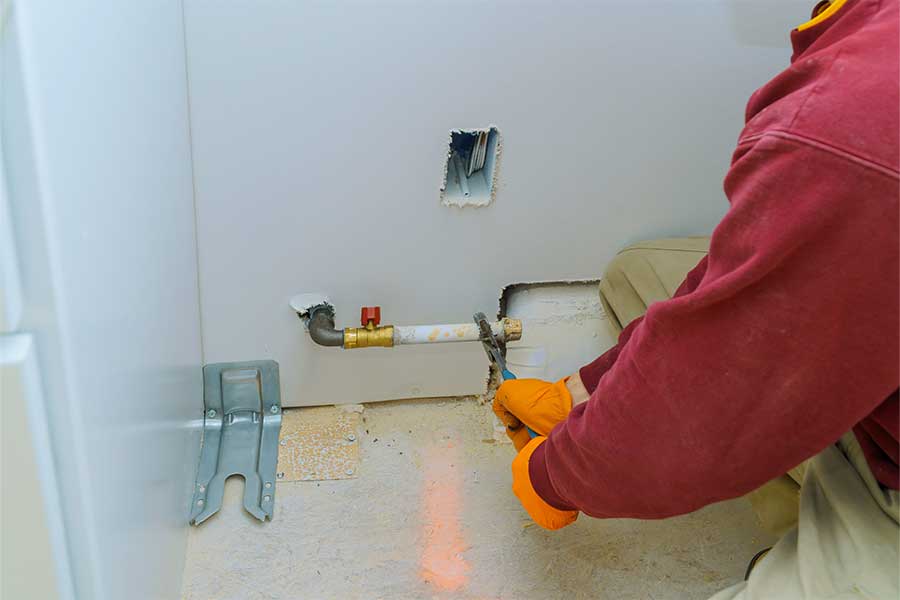
Charlotte, NC homeowners should watch for several warning signs of a potential gas line problem. A distinct smell like rotten eggs, an unexplained increase in the gas bill, and hissing sounds near the lines can all indicate serious issues. Dead or wilting plants and frequent appliance malfunctions deserve attention too, and changes in flame color, from blue to yellow or orange, can signal a gas flow problem developing beneath the surface. In our service calls throughout Charlotte, these seven signs come up more often than most homeowners expect. Here is what to know, and why acting quickly matters for your family’s safety.
The Smell of Gas: Recognizing Leaks
Catching a whiff of gas is like an alarm bell ringing throughout the home. That distinctive smell, often compared to rotten eggs, signals a potential gas leak that cannot be ignored.
The first instinct should be to act quickly and safely: leave the premises immediately and avoid any sparks or flames. Once everyone is safely outside, calling a professional is the next step. Timing matters here; the sooner a gas leak is addressed, the better. Professional gas line repair ensures the issue is handled correctly and safely, restoring peace of mind quickly.
Unexplained Increases in Your Gas Bill
An unexplained increase in a gas bill is a sign worth paying attention to. A few common causes are usually behind the spike, and monitoring usage can help pinpoint the issue before it grows more serious.
Common Causes Identified
A few culprits tend to explain unexpected gas bill increases:
- Leaky gas lines: Even small leaks can lead to significant increases over time.
- Faulty appliances: Gas appliances that are not working correctly may consume more fuel than they should.
- Increased usage: Seasonal changes or new additions to a household can naturally lead to higher consumption.
- Improperly adjusted thermostats: Incorrect settings can cause appliances to run longer than necessary.
Monitoring Your Usage
Monitoring gas usage matters, especially when unexpected spikes show up on a bill. A sudden rise in monthly expenses without a clear reason is a red flag worth investigating.
Reviewing habits and appliances helps determine whether gas use has genuinely increased. If everything looks normal, it may point toward a gas leak or another underlying issue. Tracking consumption regularly helps identify patterns and catch problems early, and consistent increases are a good reason to consult a professional sooner rather than later.
Hissing or Whistling Sounds Near Gas Lines
Hissing or whistling sounds near gas lines deserve to be taken seriously. These noises can indicate a potential gas leak, which poses real risks to safety and property. Ignoring these signs can lead to dangerous situations that are entirely avoidable with prompt attention.
If these sounds are noticed, a few steps matter:
- Immediate action: Evacuate the area and avoid using any electrical devices.
- Visual inspection: Once safe to do so, look for signs of damage or wear around the gas line.
- Contact professionals: A qualified team can perform expert gas line repair and safety checks.
- Regular maintenance: Routine inspections help prevent future issues before they start.
Plumbing emergencies can occur unexpectedly, and knowing who to call ahead of time makes all the difference in how quickly a home returns to safe and normal.
Dead or Dying Vegetation Around Gas Lines
A patch of dead or dying vegetation around gas lines can be a telltale sign of trouble developing beneath the surface. Brown patches or wilting plants near where gas lines run could indicate a leak, since escaping gas harms the soil and suffocates nearby roots, disrupting a plant’s ability to thrive.
Keeping an eye on landscaping matters, especially in areas of Charlotte with established gas infrastructure running through mature yards. This is not just about aesthetics; it is about safety. If such signs appear, acting swiftly is essential, since ignoring these indicators can lead to more severe issues down the line.
Frequent Gas Appliance Malfunctions
Gas appliances acting up can be more than just a nuisance. Inconsistent heating or unusual odors are both worth taking seriously as potential signals of a bigger issue.
Common Appliance Issues
A few malfunction patterns are worth watching for:
- Inconsistent ignition: A stove that takes multiple tries to light may indicate a gas flow issue.
- Unusual odors: A gas smell around appliances could mean a leak that requires immediate attention.
- Flame color changes: Yellow or orange flames instead of blue can signify incomplete combustion and inefficient operation.
- Frequent pilot light outages: A pilot light that keeps going out might point to a faulty thermocouple or ventilation issue.
Addressing these appliance issues quickly helps keep a home safe and running smoothly.
Inconsistent Heating Performance
Rooms that feel colder than usual, or a water heater that will not deliver hot water consistently, can both stem from underlying gas line problems. Constantly adjusting the thermostat or dealing with appliances that shut off unexpectedly is a sign worth paying attention to before it escalates further. A professional can pinpoint the root cause and restore a home’s heating performance effectively.
Unusual Odors Present
Unusual odors around gas appliances are a serious warning sign that should never be ignored. A rotten egg smell is often added to natural gas specifically as a safety measure, so if it shows up, action should follow quickly. Frequent appliance malfunctions, hissing or whistling sounds, and increased gas bills often accompany this warning sign and reinforce the need for a professional assessment.
Changes in Flame Color: What They Mean
A change in flame color is not just a quirk of gas appliances; it can signal a serious issue. A healthy gas flame typically burns blue, indicating complete combustion.
Yellow or orange flames may mean an appliance is not functioning properly, potentially due to a gas line problem or insufficient oxygen. This shift can lead to dangerous carbon monoxide production, which is a risk no household should take lightly. A flickering flame may also indicate fluctuations in gas pressure. Monitoring flame color regularly helps catch these warning signs early, and any change is worth addressing promptly.
What to Do If You Suspect a Gas Line Problem
Acting quickly is essential if a gas line problem is suspected. Everyone should evacuate the area first, moving to a safe distance from potential hazards, and any ignition sources, like light switches or phones, should be avoided on the way out.
From there, a few steps matter most:
- Call the gas provider immediately to report the issue.
- Contact a qualified professional for inspection and gas line installation or repair as needed.
- Ventilate the area by opening windows and doors if it is safe to do so.
- Stay alert for symptoms of gas exposure, such as headaches or dizziness.
Protecting Your Charlotte Home From Gas Line Hazards
Staying vigilant about gas line issues is not something to take lightly. If any of these warning signs show up in your Charlotte home, do not hesitate to reach out for a professional inspection. At M.D. Plumbing, Water Heater & Sewer Repair, your safety and peace of mind are our top priorities. When you need a professional assessment, contact our team today and let’s keep your home safe and secure.