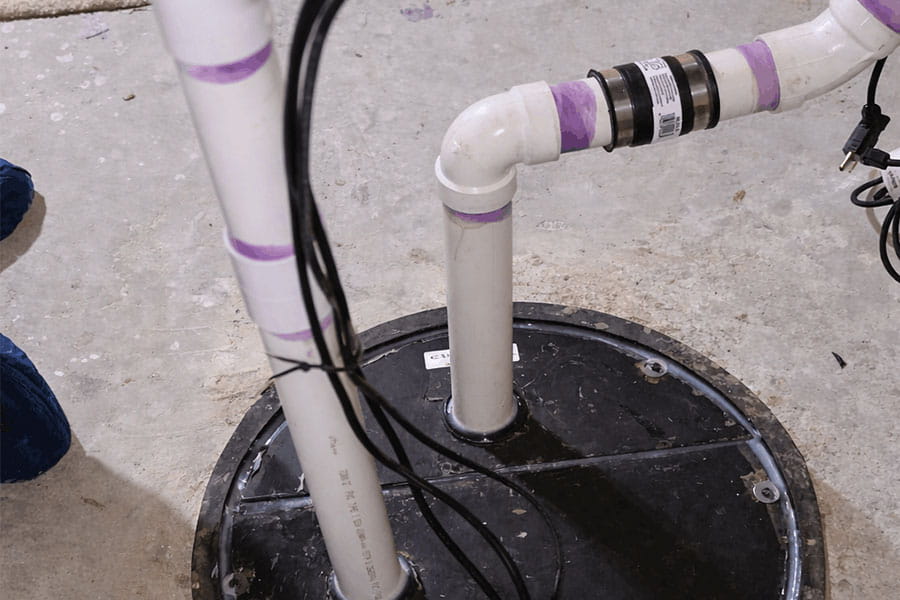
If your sump pump runs constantly, makes grinding or rattling noises, won’t turn on when water rises, shows heavy rust, runs without moving water, or your basement has already shown signs of moisture, it needs sump pump repair before the next storm. Catching these signs early is far cheaper than a flooded basement.
A sump pump is one of those home systems that quietly does its job in the background until it does not. For homeowners in Concord, where heavy rainfall and seasonal storms can send water toward a home’s foundation, a functioning sump pump is an important line of defense against basement flooding and water damage.
The problem is that sump pumps tend to fail at the worst possible times, usually during a heavy rainstorm when they are needed most. Knowing the warning signs ahead of time gives you the chance to get sump pump repair looked at before it becomes an emergency.
Why Do Sump Pumps Fail When You Need Them Most?
Sump pumps run hardest during the exact conditions that stress them the most, heavy sustained rainfall, power fluctuations, and pits filling faster than usual. A pump that has been quietly cycling on and off for years can develop a worn part or a stuck switch that only becomes obvious once demand spikes. Watching for the signs below before the next storm is what keeps a small issue from becoming a flooded basement.
1. The Pump Runs Constantly
A sump pump should cycle on when water reaches a certain level in the pit and shut off once it has been pumped out. If yours is running nonstop without shutting off, something is not right. It could be a stuck float switch, a pump that is undersized for the volume of water it is handling, or a sign that water is entering the pit faster than the pump can keep up. Continuous running puts unnecessary strain on the motor and shortens the life of the unit significantly.
2. It Makes Unusual Noises
A sump pump in good working order runs with a relatively steady, consistent hum. Grinding, rattling, or loud clanking noises are worth paying attention to. Grinding often points to worn or damaged impeller blades inside the pump. Rattling can indicate debris has gotten into the pit and is being pulled toward the intake. Any noise that is out of the ordinary is a signal that the pump needs to be inspected before the problem gets worse.
3. The Pump Isn’t Turning On at All
If water is visibly rising in the sump pit and the pump is not activating, that is an immediate concern. The float switch, which triggers the pump when water reaches a set level, is a common point of failure. It can become stuck in the off position, leaving the pump inactive even when it should be running. A failed motor or a tripped circuit breaker can also be the cause. Whatever the reason, a pump that will not turn on during wet conditions puts your basement at risk.
4. Visible Rust or Corrosion
Some surface rust on a sump pump is not unusual, but heavy corrosion is a different story. Rust can clog the pump’s intake screen, restrict water flow, and eventually cause internal components to fail. If your pump is visibly deteriorating, it may be approaching the end of its useful life. A professional can assess whether sump pump repair for homes in Concord is sufficient or whether the unit needs to be replaced through a sump pump installation and replacement service.
5. It’s Running But Not Moving Water
A pump that cycles on and appears to be working but is not actually moving water out of the pit is a frustrating and potentially serious problem. This can be caused by a clogged discharge line, a failed check valve that is allowing water to flow back into the pit after each cycle, or a damaged impeller that is spinning without drawing water. In any of these cases, the pump is not doing its job even though it seems like it is.
6. Your Basement Has Flooded or Shows Signs of Moisture
If you have had water in your basement recently or you are noticing damp walls, efflorescence, or a musty smell, your sump pump may not be handling the water intrusion effectively. Even minor moisture issues in a basement can lead to mold growth and structural concerns over time. It is worth having both your sump pump and your overall water leak detection and repair situation evaluated to understand where the water is coming from and whether the pump is keeping up with it.
How Long Does a Sump Pump Last?
Most sump pumps have a lifespan of around 7 to 10 years with regular use. If yours is approaching or past that range and showing any of the signs above, it is probably more cost effective to replace it than to keep repairing it. Staying proactive about sump pump maintenance also means testing it periodically, even during dry spells, so you are not discovering a problem mid storm.
Concord’s rainy stretches tend to arrive in clusters, heavy spring downpours followed by drier weeks, which makes it easy to forget about a sump pump until the next system rolls through. A plumbing inspection during one of those quieter stretches is the easiest way to confirm your pump, float switch, and discharge line are all in working order before they are tested again.

Frequently Asked Questions
Why does my sump pump run constantly?
Continuous running usually points to a stuck float switch, an undersized pump, or water entering the pit faster than the pump can remove it. A professional can identify which of these is happening and whether the fix is a simple adjustment or a full replacement.
How long does a sump pump last?
Most sump pumps last around 7 to 10 years with regular use before components start to wear down. If your pump is in that range and showing warning signs like noise or reduced performance, replacement is often more cost effective than continued repairs.
Is it normal for a sump pump to make noise?
A healthy sump pump runs with a steady, consistent hum, so grinding, rattling, or clanking sounds are not normal. Grinding usually points to worn impeller blades, while rattling often means debris has entered the pit and needs to be cleared.
What happens if my sump pump fails during a storm?
A failed pump during heavy rain can allow water to back up in the pit and flood the basement, since nothing is removing incoming water. This is why testing your pump before storm season, rather than waiting to find out during one, matters so much.
Should I repair or replace my sump pump?
The right choice depends on the pump’s age, the severity of the issue, and whether multiple components are failing at once. A pump nearing the end of its 7 to 10 year lifespan with several warning signs present is usually a better candidate for replacement than repair.
Can a sump pump problem cause water damage even without a full flood?
Yes, a pump that runs but does not move water effectively can allow slow moisture buildup that leads to damp walls, efflorescence, and mold over time. These smaller issues are often a sign the pump is falling behind even before a visible flood occurs.
Keeping Your Concord Home Ready for the Next Storm
Your sump pump works hardest when the weather is at its worst. Making sure it is in good shape before Concord’s rainy season hits is one of the smarter home maintenance decisions you can make.
At M.D. Plumbing, Water Heater & Sewer Repair, we help Concord homeowners keep their sump pumps running reliably and their basements dry. Whether you need a repair, a tune up, or a full replacement, our team will give you an honest assessment and get the job done right.
Schedule your sump pump inspection today and don’t wait for the next rainstorm to find out your pump isn’t up to the job.