


Sewer line problems are one of those things most homeowners don’t think about until something goes wrong. And when they do go wrong, they can go wrong fast. The good news is that most sewer line issues don’t appear out of nowhere. There are usually clear causes behind them, and knowing what they are can help you catch problems before they turn into costly repairs.
If you own a home in Charlotte, NC, here are six of the most common reasons sewer lines run into trouble.
1. Tree Root Intrusion
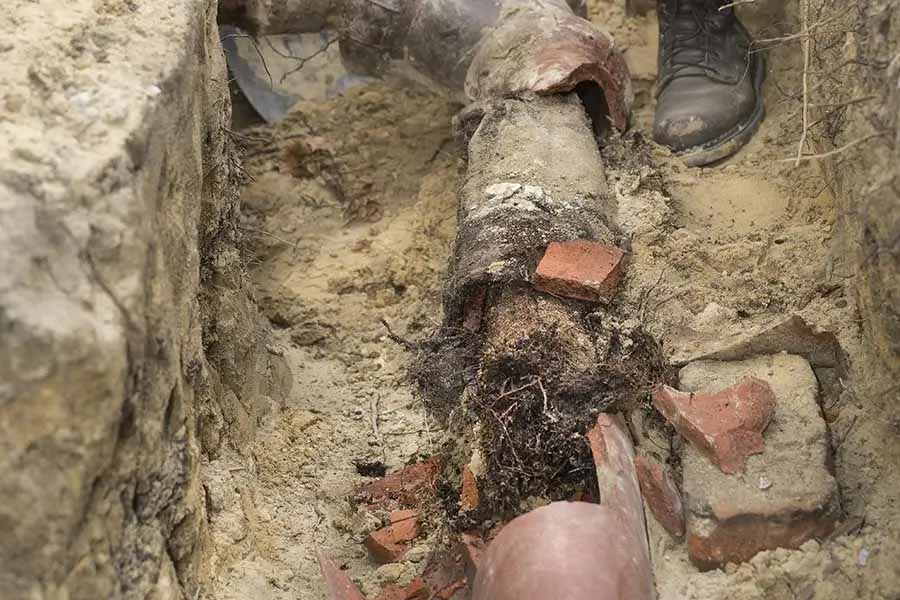
This is one of the leading causes of sewer line damage in older neighborhoods. Tree roots naturally grow toward moisture, and your sewer line is a reliable source of it. Over time, roots can work their way into small cracks or joints in the pipe, expanding and causing serious blockages or even breaks. If your yard has large, mature trees near your plumbing, it’s worth keeping an eye on things.
2. Aging and Corroded Pipes
Many Charlotte homes, particularly those built before the 1980s, still have older pipes made from clay, cast iron, or Orangeburg material. These materials break down over time. Clay pipes can crack, cast iron corrodes, and Orangeburg (a tar-based material common in mid-century homes) essentially softens and collapses. If your home is older and you’ve never had a sewer line inspection, now is a good time to consider one.
3. Flushing the Wrong Things
It might seem harmless to flush wipes, paper towels, or hygiene products down the toilet, but these items don’t break down the way toilet paper does. Over time, they accumulate inside your pipes and create stubborn blockages. The same goes for pouring grease or food scraps down the kitchen sink. What doesn’t break down will eventually build up, and that buildup puts pressure on your entire sewer system.
4. Ground Shifting and Soil Movement
North Carolina’s soil conditions can shift, especially after heavy rainfall or drought periods. When the ground moves, it can cause pipes to shift, crack, or separate at the joints. This is particularly common with older clay pipes that weren’t designed to handle much ground movement. A separated pipe joint can allow sewage to leak into the surrounding soil, which is both a plumbing and an environmental issue.
5. Buildup and Blockages Over Time
Even without flushing the wrong things, years of normal use can lead to buildup inside your pipes. Grease, soap residue, and other waste gradually coat the interior walls of your sewer line, narrowing the passage and slowing drainage. Left unchecked, this can eventually lead to a full blockage. Routine drain cleaning is one of the simplest ways to prevent this from happening.
6. Poor Installation or Previous Repairs
Not all plumbing work is done equally. If a sewer line was improperly installed or a past repair wasn’t done correctly, it can create weak points that fail over time. Misaligned pipes, improper slope, or low-quality materials can all contribute to recurring issues. If you’ve had repeated sewer problems despite multiple repairs, it may be worth having a professional take a full look at the line. In some cases, sewer line replacement ends up being the more practical and cost-effective solution in the long run.
How Do You Know If Your Sewer Line Is in Trouble?
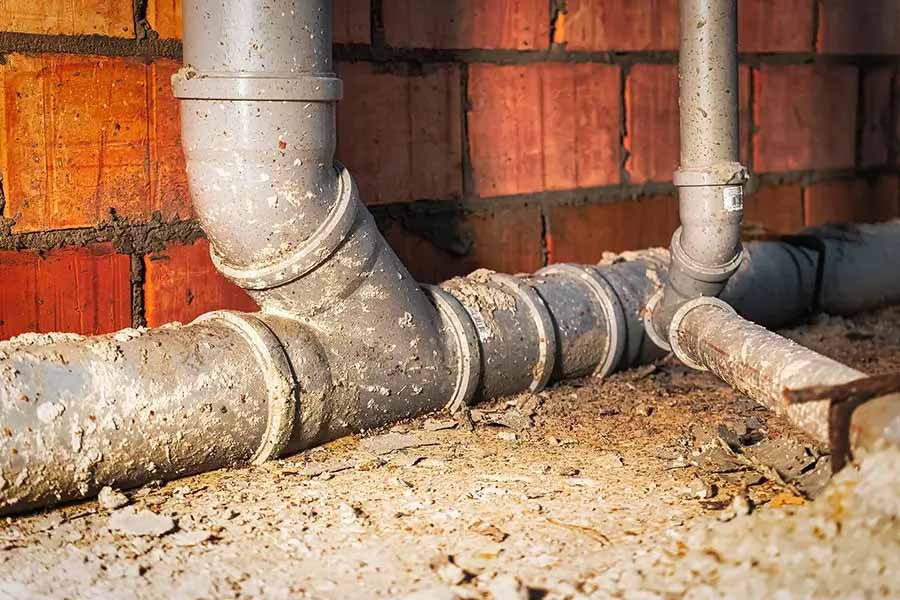
Some warning signs to watch for include slow drains throughout the house, gurgling sounds from toilets or sinks, sewage odors inside or outside your home, unusually lush patches of grass in your yard, or water backing up in unexpected places. Any one of these on its own might not be cause for alarm, but if you’re seeing more than one at the same time, it’s worth getting a professional opinion.
Conclusion
Sewer line issues rarely fix themselves, and the longer they sit, the more expensive they tend to get. Understanding what causes these problems in the first place puts you in a much better position to catch them early.
At M.D. Plumbing, Water Heater & Sewer Repair, we work with Charlotte homeowners to diagnose and resolve sewer line issues the right way. Whether you need a simple cleaning or a full line evaluation, our team will give you a straight answer and a reliable fix.
Call us today or book online to schedule your sewer line service. The sooner you know what you’re dealing with, the better.