If you have been thinking about upgrading your water heater, you have probably come across the term “tankless” more than once. That is not without reason. Tankless water heaters have become one of the more sought-after home upgrades in recent years, particularly for homeowners who want to reduce energy costs without giving up consistent hot water comfort.
Working in homes across Indian Trail, from established neighborhoods near Unionville-Indian Trail Road to newer developments off Potter Road and throughout the Chestnut Commons area, our team at M.D. Plumbing, Water Heater & Sewer Repair has seen firsthand how the right water heater can change the way a home performs. Here is a practical look at how tankless water heater installation and repair works, why it is worth considering, and what Indian Trail homeowners should understand before making the switch.
What Makes a Tankless Water Heater Different?
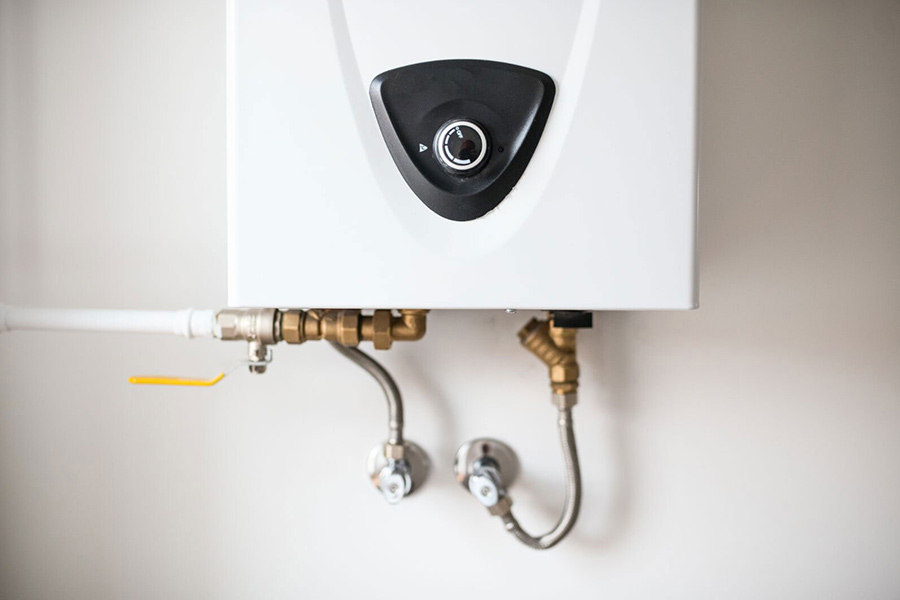
A traditional water heater stores a large tank of water and keeps it heated around the clock, whether you need it or not. A tankless unit operates differently. It heats water on demand, only when a tap is turned on. That means no standby heat loss, which is the energy continuously wasted maintaining water temperature when no one is using it.
For a busy household that moves through a lot of hot water throughout the day, that difference in efficiency adds up over the course of a year in ways that show up clearly on the energy bill.
Lower Energy Bills Over the Long Run
One of the primary reasons homeowners in Indian Trail, NC, explore tankless water heater installation is the potential for meaningful energy savings. Because the unit only activates when hot water is needed, it uses significantly less energy than a traditional storage tank heater running continuously.
According to the U.S. Department of Energy, tankless water heaters can be 24% to 34% more energy efficient than conventional storage tank models for homes using 41 gallons or less of hot water daily. Even households with higher usage see efficiency gains of 8% to 14%. The upfront cost of a tankless system is higher than a conventional unit, but the monthly savings on energy costs help offset that investment over time for most homeowners.
More Hot Water When You Need It
With a traditional tank, there is a fixed supply of hot water available. Once it runs out, the tank needs time to reheat before hot water is available again. Tankless systems eliminate that limitation entirely. They deliver a continuous flow of hot water for as long as it is needed, which makes a noticeable difference in homes where multiple people are showering, running the dishwasher, and doing laundry within the same window of time.
In our service calls throughout Indian Trail, this is often the quality-of-life improvement homeowners appreciate most after making the switch.
A Longer Lifespan Than Traditional Units
Most traditional water heaters last around 10 to 12 years. Tankless units, when properly maintained, can last 20 years or more. That is a significant difference in long-term value and a factor worth weighing when comparing the true cost of each option over time.
Keeping up with routine maintenance and addressing any issues early through timely water heater repair helps extend the life of the unit and keeps it running at peak efficiency throughout its lifespan.
Space Savings in Your Home
Tankless water heaters are compact and wall-mounted, freeing up floor space that a bulky storage tank would otherwise occupy. For homeowners in Indian Trail with smaller utility rooms, finished basements, or tighter mechanical spaces, that recovered square footage can be genuinely useful for storage or other household needs.
What to Know Before Switching
Tankless water heaters are not a one-size-fits-all solution, and getting the details right before installation matters. The correct unit depends on your household size, your current fuel source (gas or electric), and your home’s existing plumbing and electrical setup.
In some cases, switching to a tankless system also requires gas line installation if the home is not already configured for a gas-powered unit. Getting a professional assessment before installation ensures the system selected is properly sized and fully compatible with your home, rather than undersized or installed in a way that creates problems down the line.
Keeping Your System Running Well
Like any appliance, tankless water heaters need occasional maintenance to stay in peak condition. Hard water mineral buildup is a known challenge in the greater Charlotte region, and Indian Trail homes are no exception. Flushing the system once a year helps prevent scale buildup from reducing performance or shortening the unit’s life.
If you notice inconsistent water temperatures, error codes on the unit’s display, or a drop in hot water pressure, those are signals the system needs professional attention sooner rather than later. Staying ahead of those issues with a routine plumbing inspection is a straightforward way to protect the investment.

Making the Right Call for Your Indian Trail Home
Switching to a tankless water heater is one of the more practical efficiency upgrades a homeowner can make. It delivers consistent hot water on demand, reduces energy waste, and outlasts a conventional tank system by nearly a decade or more when properly maintained.
At M.D. Plumbing, Water Heater & Sewer Repair, we help Indian Trail homeowners find the right water heater solution for their specific home and install it correctly the first time. Whether you are ready to make the switch or still weighing your options, our team is here to give you honest answers and upfront pricing. Contact our team today to schedule your assessment. A more efficient home is a well-planned one.